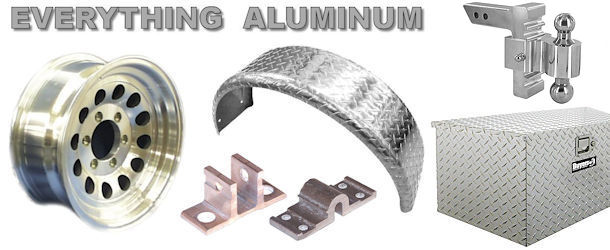
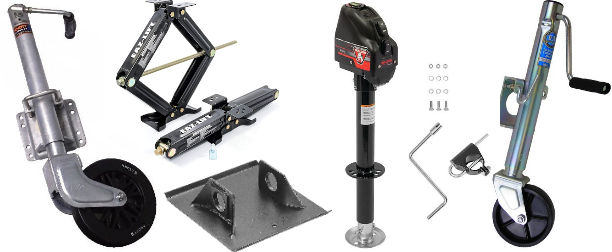
TRAILER PARTS SUPERSTORE® is now offering a wide selection of specialized aluminum trailer parts including: aluminum trailer wheels, tire/aluminum wheel assemblies, aluminum cross members, frame brackets & hardware, fenders, aluminum tool boxes and more.
We also feature a nice selection of aluminum fishing rod holders, vehicle surf racks, aluminum beach carts, sand spikes, bait rakes and fishing gear racks.
Our newly added ALUMINUM TRAILER PARTS STORE is your one-stop-shop for everything aluminum… with new items being added weekly.
Posted Under: Uncategorized
This post was written by ghoj on February 2, 2024 Comments Off on ALUMINUM Trailer Parts Store
It’s that time of year again to make space in our warehouse for hot new items to repair or accessorize your trailer. Trailer Parts Superstore has marked down several hundred items we have identified as obsolete, over-stocked or a one-time special purchase from our suppliers.
Check out the items at the link below for a complete listing of our Sale Specials and price reduced ‘Supplies Limited’ RED TAG CLOSE-OUTS.
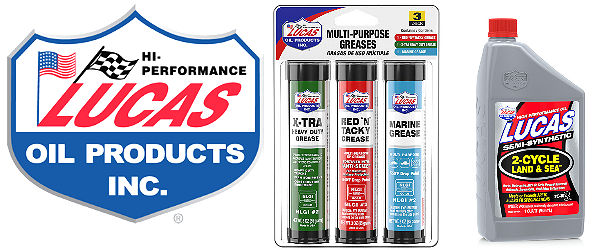
Trailer Parts Superstore sells LUCAS OIL products for Land and Sea uses. Lucas Oil is as a worldwide leader in the lubrication industry featuring a line of motor oils, greases, gear lubes, problem-solving additives and more.
Choose from over 65 items manufactured by LUCAS OIL including Marine Grease, Red “N” Tacky Grease, X-TRA Heavy Duty Grease, Gear Oil, 4-Stroke Outboard Motor Oil, 2-Cycle Outboard Motor Oil, Trailer Brake Fluid, Fuel Stabilizer, Ethanol Fuel Conditioner and many other products.
Posted Under: Uncategorized
This post was written by ghoj on November 30, 2022 Comments Off on LUCAS OIL Products Sold Here
Trailer Parts Superstore now offers an expanded selection of factory original KNOTT trailer parts commonly found on top name brand boat trailers including: Karavan, EZ-Loader, LoadRite and Triton.
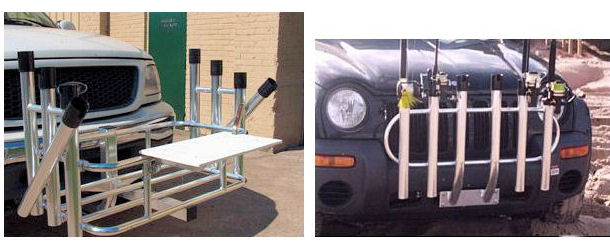
Eastern Marine / Trailer Parts Superstore sells a wide variety of Anglers Aluminum Products , Fish-N-Mate and other surf fishing equipment that will outfit your beach vehicle. Angler’s Fish-N-Mate products are know for their quality anodized aluminum construction that withstands even the harshest saltwater environments. Shop for: vehicle mount aluminum rod holders, hitch adapters, aluminum cooler racks, cooler rack add-ons, aluminum cart-caddy, automatic tire deflators, 12V portable air compressors, folding shovels, jacks, tow straps and many more surf fishing accessories.
Eastern Marine, the parent company of Trailer Parts Superstore, offers a wide selection of Boating, Fishing & Crabbing equipment from selected brand name manufacturers. We hope that you enjoy shopping our Boating, Fishing & Crabbing equipment in addition to our huge selection of trailer parts & accessories. Trailer Parts Superstore & Eastern Marine products can be combined in the same shopping cart. Thanks for shopping at Eastern Marine!
Trailer jacks are designed to ease loading and unloading of a trailer from the hitch ball, as well as raising trailer to a proper storage angle. Below are some basic mounting and safety tips to help you get the most from your trailer jack.
SAFETY: It is important to keep in mind that the weight capacity of the Trailer Jack does not need to equal the weight of the trailer. The trailer jack weight capacity should be based on the tongue weight of the trailer which should be 8%-12% of the total weight of the Trailer. When cranking or coupling trailer, secure trailer from rolling with chocks on both sides. These trailer jacks are designed for vertical loading, excessive side forces should be avoided. When using optional foot plate or caster, always remove foot plate or caster before Trailering. Also, remember to raise swing-away jacks to storage position before Trailering.
MOUNTING: Before mounting your trailer jack, check for interference from recessed ball mounts, the trailer coupler, and the hitch or vehicle bumper. Rotate the jack handle to check that the swing is not obstructed. If the jack is of the swing-away or swivel design, check the unit in both the vertical and horizontal positions. When the swing-away jack is in the horizontal or storage position, there should not be any interference from structural members of the trailer or the trailer coupler. Make sure that the swing-away jack does not come in contact with the tow vehicle when making a tight turn while in the storage position. On all jacks, check that proper ground clearance has been achieved.
SEA LION Trailers, Inc. has been manufacturing quality boat trailers since 1957 in the Philadelphia, PA region. TIDEWATER Trailers has been doing the same for the last 18 years… and both continue to update their product line. Newer aluminum I-beam boat trailer models have been added to the conventional hot-dipped galvanized frame line-up for increased selection.
Now you can shop for OEM replacement parts for these premium boat trailer lines at Trailer Parts Superstore®. We are currently adding over 100 popular factory replacement Sea Lion Trailer parts & Tidewater Trailer parts.
Combine our new Sea Lion Trailer parts product offering with thousands of other trailer repair parts & accessories on our site and you’ll quickly see that Trailer Parts Superstore® is your one-stop-shop for everything Boat Trailer!
Since 1981, Trailer Parts Superstore® has served America with our unique blend of Discount Boating, Fishing, RV and Trailer Parts & Equipment. For close to 40 years our core specialization and distribution of Trailer Parts has continued to grow in size and scope. While other parts stores try to match our selection & service (some even copy our registered trade name), none have come close to offering the wide selection of OEM parts only found here!
Posted Under: Uncategorized
This post was written by ghoj on April 23, 2020 Comments Off on SEA LION / TIDEWATER Factory Boat Trailer Parts
The Trailer Parts Superstore is an excellent source for your RV winterizing needs. We offer a wide array of products tailor made to protect your investments and ease the hassles of winterizing.
The Camco Plastic Cleaner & Polish is a superior product for pre-winter maintenance and is ideal for use on the many glass, plexiglass and vinyl surfaces found in RV’s and Campers. It works by settling into and sealing the pores in the plastic’s surface and leaves behind a protective coating that is not only UV resistant but also prevents the hardening and browning that aged plastics are notorious for. It’s not only useful for preserving new plastics but is great for restoring life back into a fatigued interior.
In addition to Camco’s Plastic Cleaner & Polish, we also stock their two step Pro-Tec RV Rubber Roof Cleaner and Roof Protector. The cleaner works by breaking away the dirt, stains and oxidation that gather on your roof through regular use. Once the Cleaner has been rinsed away and the surface has dried, follow up with the Protectant. The Protectant coating is UV resistant and works by preventing grime from sticking to the surface of your roof through an anti-static additive. The combined use of the Cleaner and Protectant will effectively extend the life of any rubber roof and make subsequent seasonal clean-ups easier.
Another great product is the Starbrite No Damp Dehumidifier Tub. The included 12oz packet is capable of absorbing more than its own weight in moisture and when used in a confined area, it is able to reduce moisture to levels where mold and odors can not effectively grow and develop. They are ideal for use in RV’s, Campers, Sheds, Boats and so much more. Once the included initial packet has reached the end of its effective life, you can simply add more to the tub by purchasing Starbrite 120z replacement packs, available as singles or in packs of four.
These quality products and many more can be found directly on our website. We offer an abundance of first-rate RV accessories as well as an ever expanding line of suspension, brake and axle parts for RV’s and Trailers.
Posted Under: RV / Camper Parts
This post was written by ghoj on January 6, 2020 Comments Off on RV Winterizing Products
Karavan is a Trailer Manufacturer located in Fox Lake Wisconsin. Their name and products are synonymous with the Marine and Utility Trailer Industries. We at the Trailer Parts Superstore have partnered with Karavan to be a supplier for their line of OEM Replacement Parts. We stock a wide variety of the most commonly sought after components and can provide special order pricing for non stock items under certain circumstances.
Having researched your trailer prior to contacting us will substantially expedite and streamline the order process. As follows are instructions showing the very simple steps you will need to take.
Please keep in mind,
Karavan’s database only has records going back to roughly 2003-04.
Some records will be sparse at best or may have inconsistencies. You may need to call Karavan (1-920-928-6200) for additional clarification on their database.
If you see “No Records Available”, refresh the page and try again. If it continues to happen, your VIN is not in their database and you will need to contact Karavan directly for more information or measure the old parts as shown on our website.
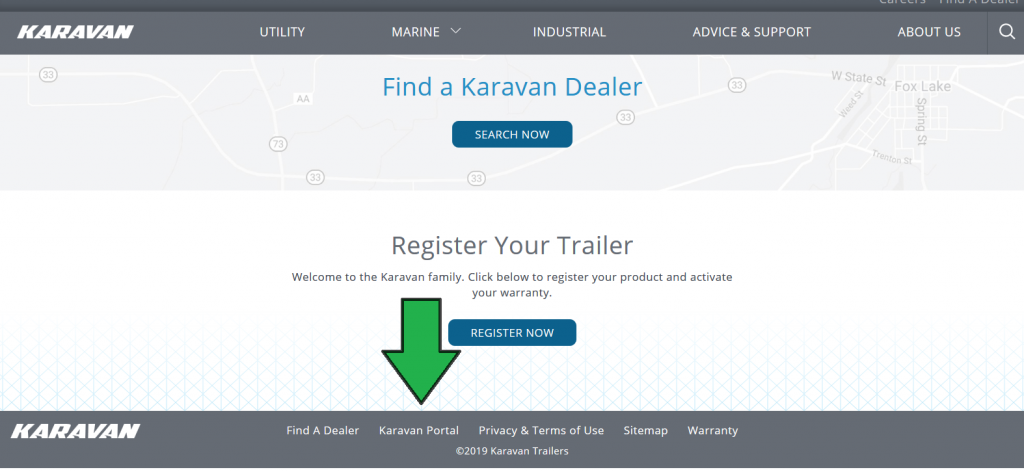
From the home screen, you will scroll all the way down until you reach the bottom of the page and click on “Karavan Portal” as indicated by the green arrow below.
You will be redirected to Karavan’s database. The page may take several minutes to load. In the event you are directed to a page asking for a username and password, this is a known error. Simply refresh your web browser and you will be directed to a screen like the one below.
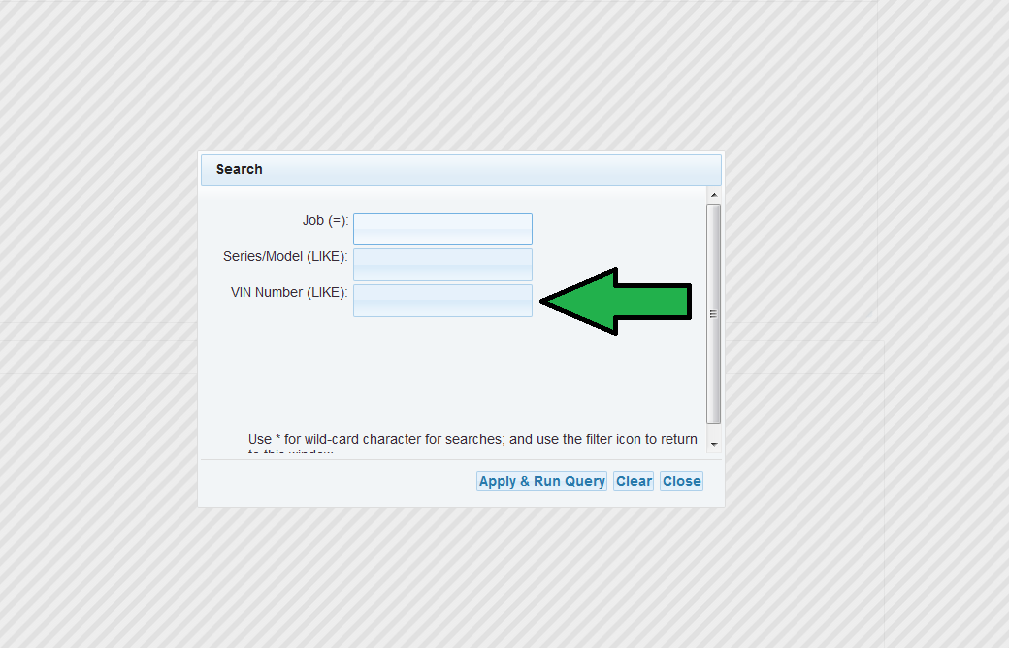
Next, type your 17 digit VIN number into the field directly to the right of “VIN Number (LIKE):” and click “Apply & Run Query” It could take over a minute to load the results.
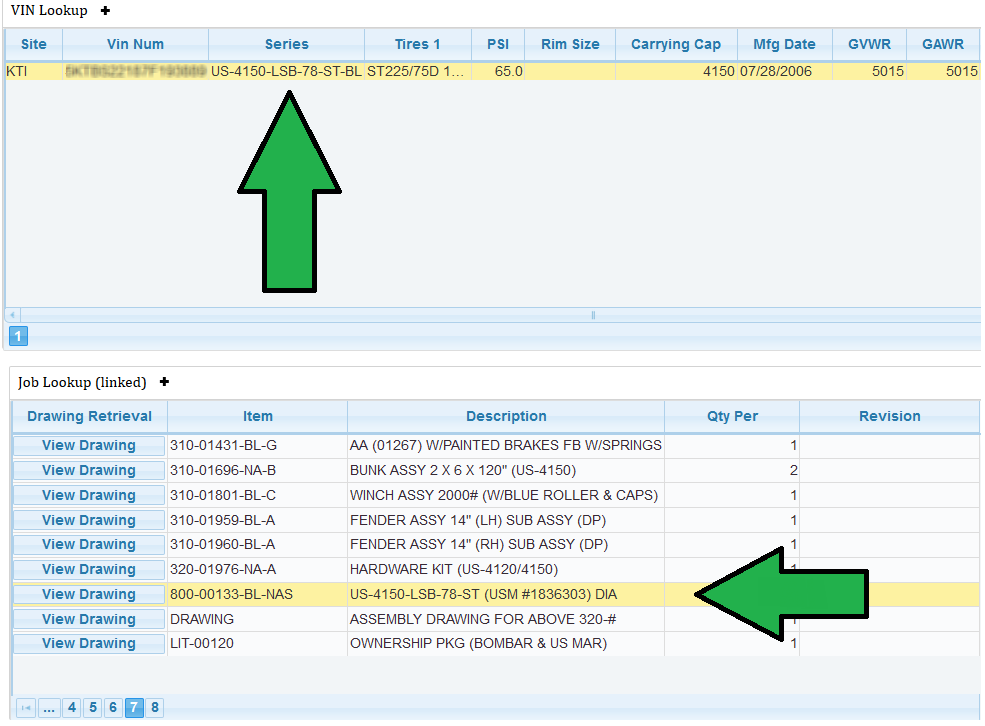
The screen you see may list several pages of parts or could show very few options. The fastest way to sort through all your PDF files is to search in the last few pages of files and look for a PDF that shares the same name as your “Trailer Series”. The trailer series can be found on the upper half of the screen and its location is denoted by the green arrows in the photo below.
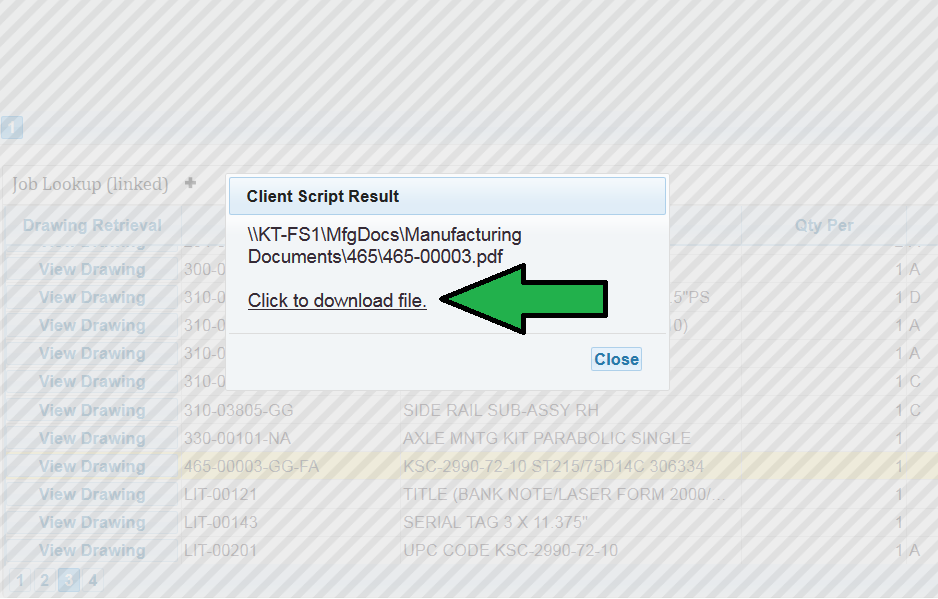
Click on “View Drawing” and you will be prompted to download the file.
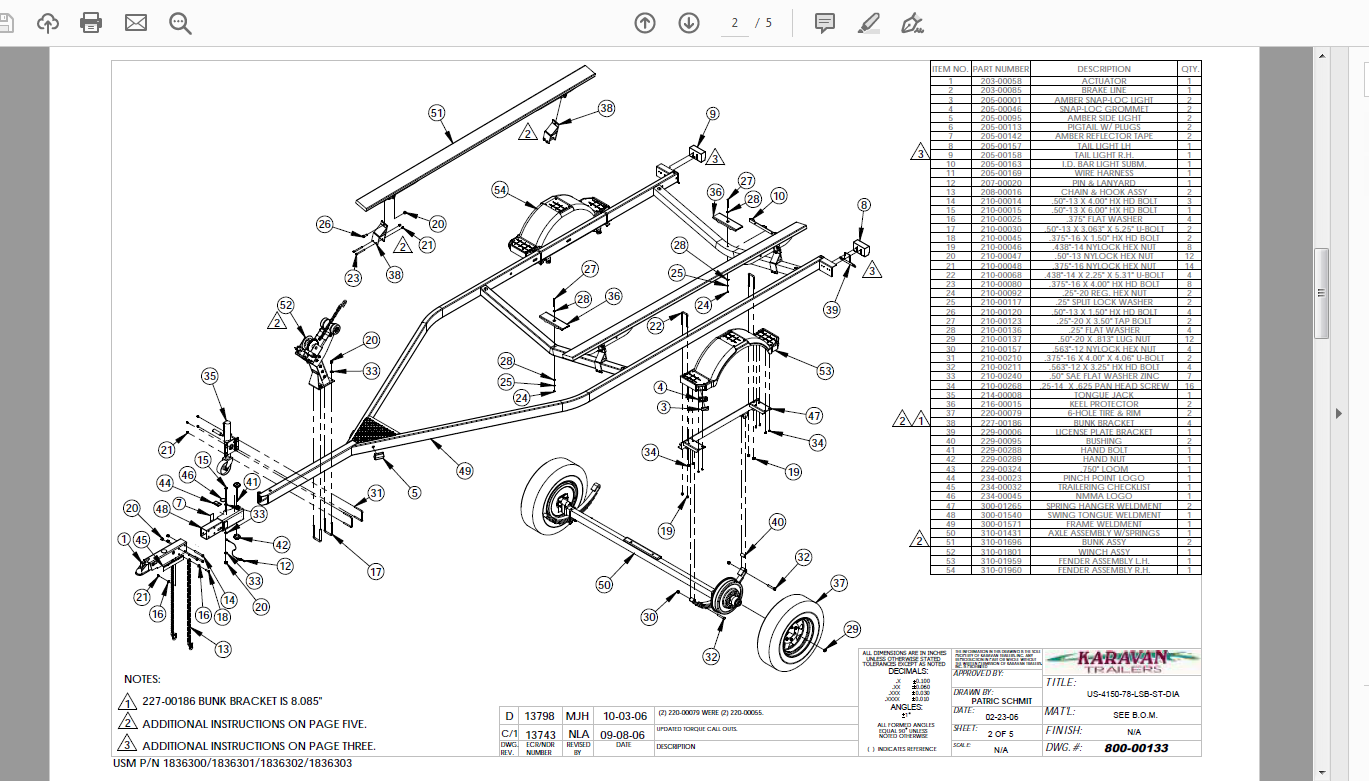
Once you have downloaded and opened the file, you will see something similar to the drawing shown below. From the list of parts on the right, find the desired Karavan Part number and search our website.
If no such drawing can be found on your PDF list, you will have to browse through the selection page by page and read the item descriptions. If you find your VIN results are lacking this drawing, expect many PDF’s to return “Drawing Unavailable”.
Please keep in mind, we don’t offer every item Karavan has made so not every search will turn up results. If this is the case, you can contact our Special Order Department for availability, pricing and lead times (1-302-453-1358). Please leave a voice mail if there is no answer, someone will be in contact with you as soon as possible.
Replacing Trailer Bearings can be a confusing process but some are a little more confusing than others. The 5.2k, 6k & 7K 1.25″ bearings are a prime example of this.
The key reason for this confusion is that all three share an identical inside diameter of 1.25″ but are rated for different weight carrying capacities.
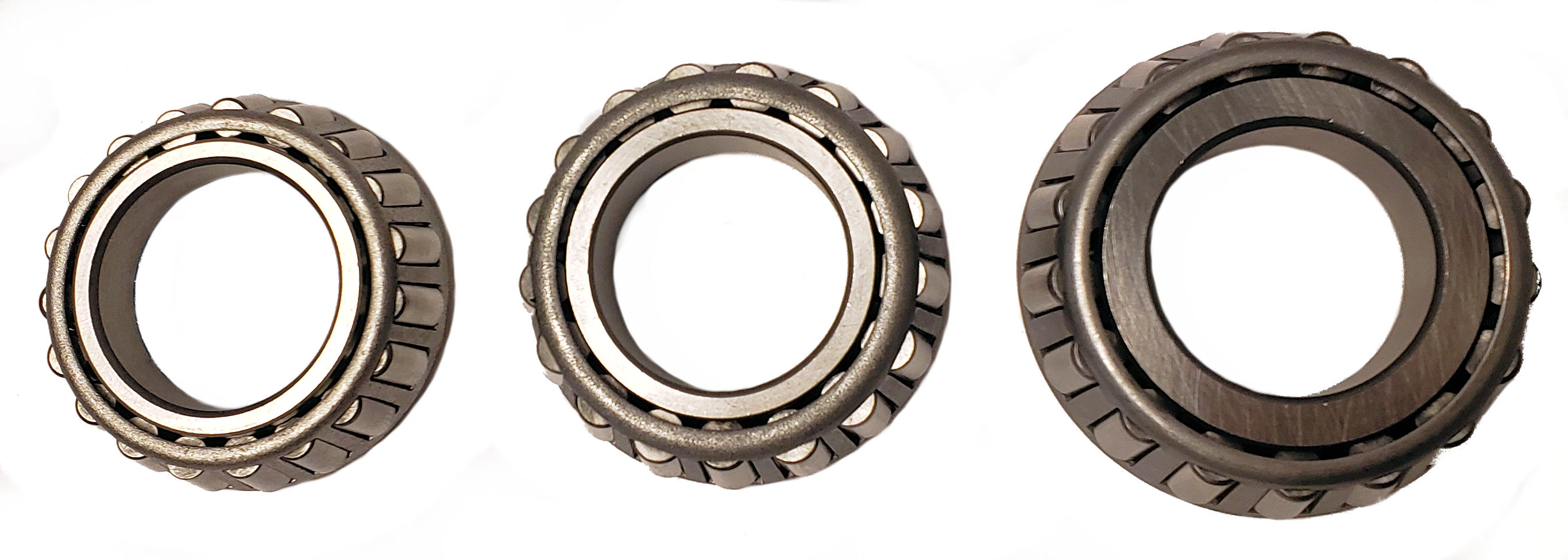
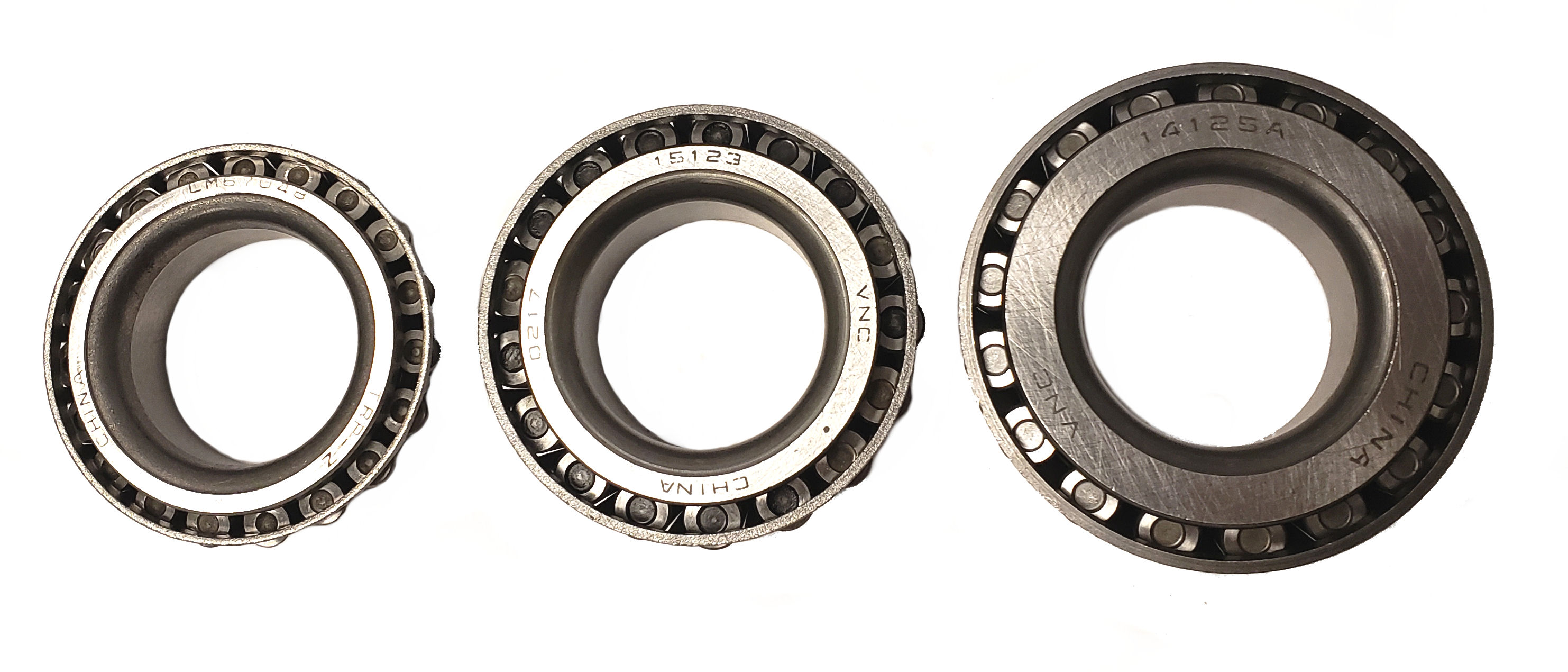
Looking at the photo below, we can see they are vastly different in cage size, roller size and outside diameter.
So let’s begin with the most ideal way to find your size. If the bearing is in good condition, we can identify it by the number stamped into it. You may need to clean up your bearing with a degreaser to aid in this process.
The various identifying numbers can be seen here. They are ordered from left to right: (L67048), (15123) & (14125A)
Outer Bearing Number
Outer Bearing Size
Inner Bearing Number
Inner Bearing Size
Weight Capacity
67048
1.25”
25580
1.75”
5200lbs
15123
1.25”
25580
1.75”
6000lbs
14125
1.25”
25580
1.75”
7000lbs
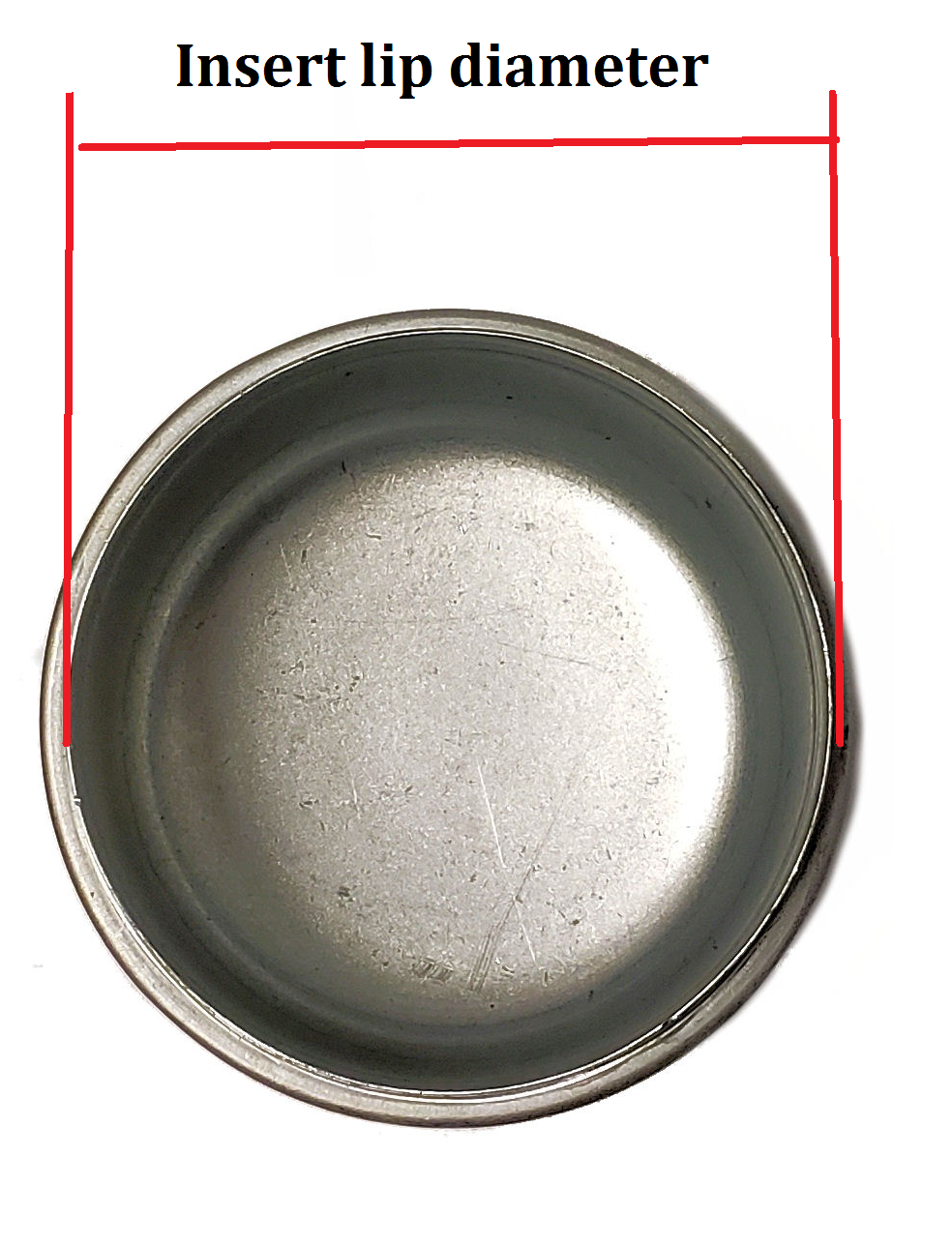
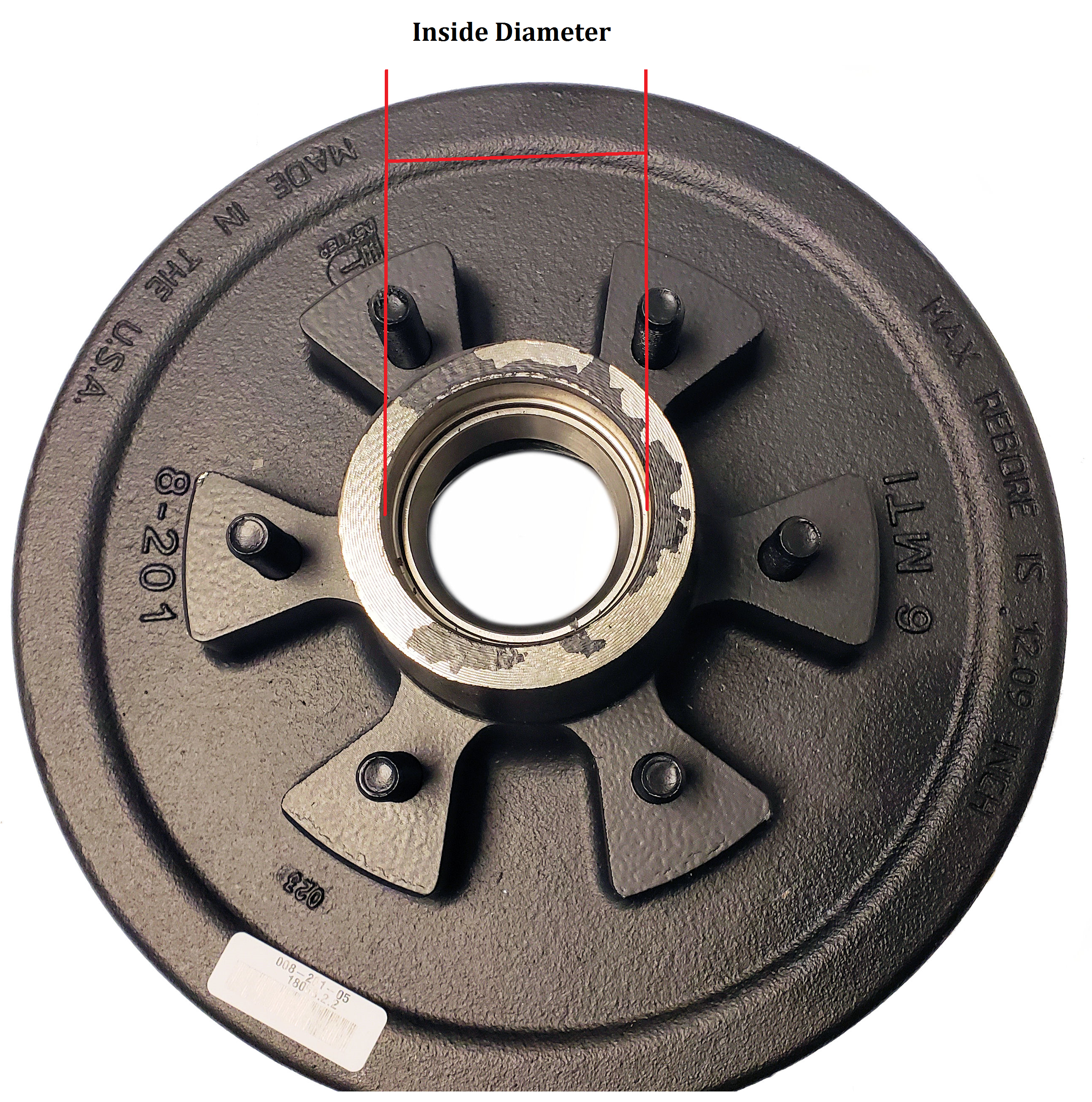
In the event that the bearings are destroyed or are no longer available, we can look to other parts of the assembly for answers. The diameter of your dust cap will increase with the size of the bearing. Dust cap diameter coupled with number of lugs is a strong indication of what size bearing you need. You could also look to the diameter of the outer race as a telling sign. The chart below shows how the information corresponds.
Diameter of Dust Cap
Bearing #
Weight Capacity
Typical Bolt Pattern
2.328”
67048
5200lbs
Demountable or 6 lug
2.441”
15123
6000lbs
6 Lug
2.72”
14125
7000lbs
8 Lug
Grease Seals
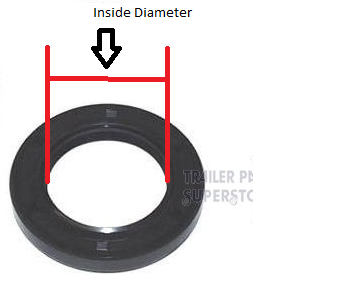
Identifying the Grease seal is the final step. Usually there are only two seals used in conjunction with these 1.25″ bearings. One seal has an Inside Diameter of 2.125” and the other 2.25”.
Dexter brand axles made pre 1998 often used 2.125 and post 1998, 2.25”.
Loadrite and Magic Tilt axles often use 2.125” but may also have 2.25″.
Proper measurement of a grease or oil seal
Notable exceptions.
There are often anomalies when it comes to Trailer Parts. Some trailers will have parts that are atypical. The older the trailer, the more likely this will be the case.
There can be 6 on 5.5” hubs/drums/rotors that use 1-1/16” x 1-3/8” bearings. These can be weeded out by checking the brake flange on the axle. They will have a 4 bolt brake flange as opposed to a 5 bolt brake flange.
The 4 & 5 bolt brake flanges
If you have demountable “mobile home” style drums, industry standards for these were very inconsistent. Having these should raise a red flag in your mind and you should over scrutinize the whole assembly to be certain your getting the right parts. Please use this blog for further assistance with demountable drums.
There are many discrepancies amongst trailer parts in general, please contact us by phone to discuss your concerns. We can be reached at 1-800-453-7379